What Is a Trailer Tank and How Does It Work?
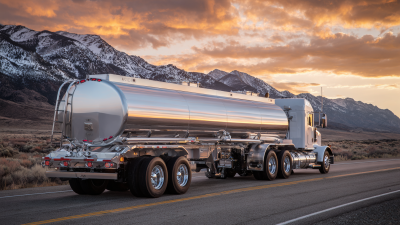
A Trailer Tank is more than a cylindrical container attached to a vehicle. It is a mobile pressure or liquid-cargo system, designed to carry materials safely between loading points, roads, and unloading stations. Its structure usually includes a tank shell, chassis, suspension, valves, piping, brakes, and protective equipment. Each part affects stability and handling.
“Understanding a Trailer Tank begins with its load, not its shape,” says Markus Schmid, a senior tank-trailer engineer and technical advisor in the transport equipment sector. His point is practical. A tank carrying water behaves differently from one transporting fuel, chemicals, food products, or compressed gases. Product density, temperature, pressure, and movement can change the trailer’s performance.
Inside the tank, liquid movement creates surge. You may feel it when a partially filled trailer brakes or turns. Internal baffles can reduce this motion, but they cannot remove every risk. That detail is easy to underestimate. A well-designed Trailer Tank must balance capacity, center of gravity, material compatibility, and maintenance access.
The operating process is straightforward in principle. The tank is inspected, connected to approved loading equipment, filled within its specified limits, and secured for transport. At the destination, controlled valves and pumps support unloading. Yet real conditions are less tidy. Weather, road gradients, uneven loading, and worn components can all influence performance.
This guide explains how a Trailer Tank works, what its main components do, and why proper inspection matters. It also examines common design differences. Some explanations may seem simple. That is intentional, because practical understanding often starts with basic questions.
Definition and Main Purpose of a Trailer Tank
What Is a Trailer Tank and How Does It Work?
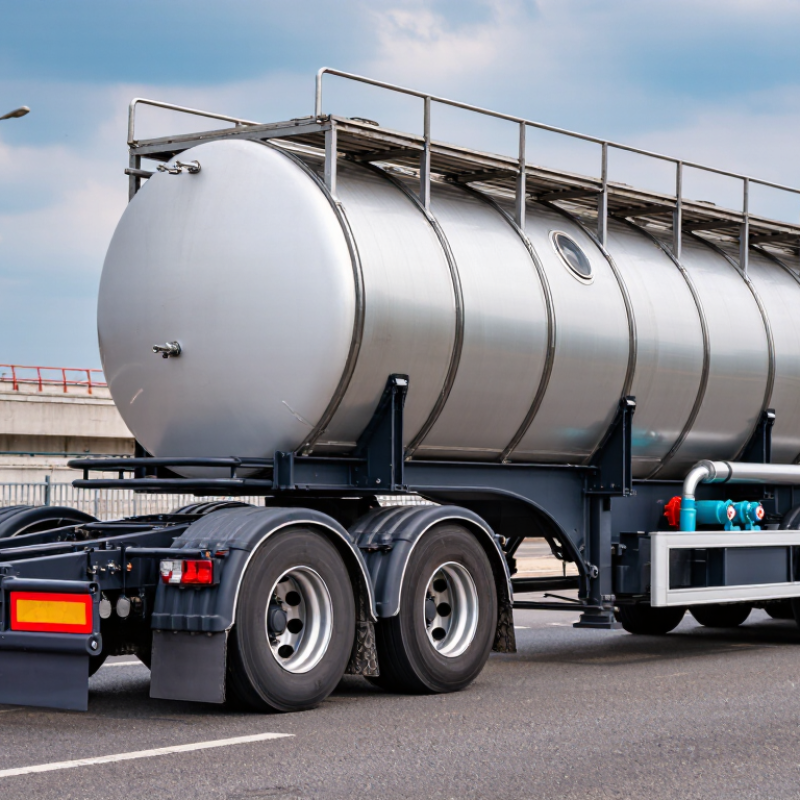
A trailer tank is a liquid container mounted on a towable trailer frame. It moves with a tractor unit or another approved towing vehicle. The tank itself does not provide propulsion. Its main purpose is transporting liquids between locations without permanent storage infrastructure. Common applications include water, food-grade liquids, and approved industrial fluids. The exact use depends on the tank material, fittings, and safety rating.
A trailer tank usually includes an access opening, discharge valves, hoses, and internal baffles. Baffles reduce liquid movement when the vehicle brakes, turns, or accelerates. This feature improves stability and helps protect the trailer from sudden weight shifts. The frame must distribute the load across the axles correctly. Overloading can damage tires, suspension parts, and braking systems. It can also make handling unpredictable.
In practical work, operators inspect valve seals, hose connections, tires, and coupling equipment before departure. They also confirm the liquid volume and the tank’s rated capacity. A half-full tank may require extra care because the liquid can surge inside. The term “trailer tank” sounds simple, but its design involves several safety decisions. Some details are easy to overlook. Regular cleaning and documented inspections support reliable service, although inspection routines are not always followed perfectly. That weakness deserves attention.
Essential Components and Tank Construction
What Is a Trailer Tank and How Does It Work?
A trailer tank is a mobile vessel mounted on a road chassis. It carries liquids, powders, or compressed gases between facilities. Its construction depends on pressure, temperature, density, and chemical compatibility. A typical liquid tank includes a shell, front and rear heads, manways, valves, piping, pressure-relief devices, and a suspension frame. The shell may use stainless steel, aluminum, or carbon steel. Material choice matters. A dense liquid creates high wall loads during braking and cornering.
The tank shell is usually cylindrical because this shape distributes internal pressure efficiently. Welded joints require qualified procedures and documented inspection. ASME Section VIII design practice commonly guides pressure-vessel calculations, while transport rules define testing, fittings, and operating limits. For compressed natural gas systems, the U.S. Department of Energy’s Alternative Fuels Data Center identifies 3,600 psi as a common vehicle storage pressure. Trailer tube designs can differ. They need stronger cylinders and carefully protected valves.
A usable trailer tank also needs baffles, grounding points, emergency shutoff controls, and level indicators. Baffles reduce liquid surge, although they cannot remove it completely. PHMSA’s 2023 incident-reporting data continues to show loading, unloading, packaging, and equipment failures as recurring reporting areas. That finding supports a practical lesson: construction quality alone is not enough. Inspection routines matter. Even a well-designed tank can develop fatigue around welds, supports, or valve connections. This is where design reviews sometimes fall short. Small details deserve more attention.
How a Trailer Tank Operates During Transport
What Is a Trailer Tank and How Does It Work?
A trailer tank is a sealed vessel mounted on a road trailer. It carries liquids, powders, or gases under controlled conditions. Its frame supports the tank and distributes weight across the axles. During loading, operators check the product, tank condition, capacity, and connection points. They also confirm that valves are closed and covers are secure.
During transport, liquid movement becomes a major concern. Baffles inside the tank reduce sudden surges when the vehicle accelerates or brakes. The tank’s low center of gravity helps improve stability on bends. However, it does not remove every risk. Uneven roads can still shift the load and affect braking response. Drivers should keep steady speeds and allow extra stopping distance.
Pressure systems need constant attention. Relief devices manage pressure changes caused by temperature or movement. Valves, hoses, and seals must remain protected from impact. Before departure, trained personnel inspect fittings, tires, brakes, lights, and emergency equipment. At rest stops, they look for leaks, unusual pressure, loose covers, or damaged components.
Small details matter. A worn gasket may become a serious problem during a long trip. No checklist is perfect, so practical judgment still matters. Experienced operators sometimes pause when something feels unusual, even if the paperwork appears correct. That cautious decision can prevent delays, equipment damage, and unsafe conditions.
What Is a Trailer Tank and How Does It Work?
A trailer tank is a road trailer designed to carry liquid or dry bulk cargo. During transport, the tank remains sealed, the load is secured inside the vessel, and internal baffles help reduce liquid movement and improve vehicle stability.
The chart shows a typical operating cycle using approximate liquid fill levels. Actual fill limits depend on the cargo, tank design, temperature, road regulations, and required expansion space.
Common Trailer Tank Types and Their Applications
A trailer tank is a mobile container mounted on a road trailer. It carries liquids, powders, or temperature-sensitive materials between facilities. The tank connects to a tractor, while pumps, valves, and hoses control loading and unloading. Its shape, lining, and safety equipment depend on the cargo.
Liquid tank trailers commonly transport water, milk, edible oils, and other approved food products. Their smooth interiors support cleaning and reduce contamination risks. Insulated tanks help maintain stable temperatures during long journeys. Some include heating systems for viscous materials that become difficult to discharge when cold.
Dry bulk trailers carry powders such as cement, flour, or mineral products. Air pressure moves the material through pipes into storage silos. Vacuum tank trailers collect wastewater and other permitted liquids using negative pressure. Refrigerated tanks serve temperature-sensitive cargo, but they require constant monitoring and dependable insulation. Each type has different loading limits, discharge fittings, and maintenance demands.
A properly operated trailer tank needs careful inspection before every trip. Operators check valves, seals, pressure gauges, hoses, and grounding points. Overfilling can create dangerous pressure changes, even when the tank looks strong. Cleaning records and cargo documentation also matter. In practice, small details cause many delays. A worn gasket may seem minor, but it can stop an entire delivery. Specifications should always be confirmed with qualified engineers and current transport requirements.
Safety Systems, Regulations, and Maintenance Practices
What Is a Trailer Tank and How Does It Work?
A trailer tank carries liquids while moving between sites. Its shell, valves, piping, and chassis must work as one safety system. During loading, operators verify product compatibility, maximum capacity, and pressure limits. Overfilling leaves little room for liquid expansion. That mistake can create dangerous pressure.
Safety depends on several layers. Pressure-relief devices release excessive internal pressure when correctly maintained. Emergency shutoff valves help isolate the tank during a hose failure or collision. Grounding and bonding reduce static discharge risks during transfer. Operators should inspect hoses, gaskets, valves, and connection points before every use. Small leaks matter. Even a clean-looking valve may hide corrosion beneath its fitting.
Regulations vary by country, cargo type, tank design, and transport route. Responsible operators follow current transport, workplace, and environmental requirements. They also keep inspection certificates, repair records, training documents, and maintenance logs. A qualified inspector should examine the tank at required intervals, including welds, supports, pressure equipment, and corrosion-prone areas. Daily checks still matter between formal inspections. No checklist is perfect. A rushed inspection can miss a cracked coupling or a damaged grounding cable, so workers should pause when conditions change and report uncertain findings before operation.