
- Home
- >
- Knowledge Center
- >
- Blogs
Blogs
Sharing knowledge is key to an innovative and healthy industry! This knowledge center is therefore a central place on our website to share information. Read all about our industry in the blogs below!
2026 Top Video Laryngoscope Types for Global Buyers?
In recent years, video laryngoscope types have revolutionized airway management across healthcare settings. These devices offer enhanced visualization during intubation. They have become essential for anesthesiologists and emergency medical professionals.
Choosing the right video laryngoscope type can be challenging. Factors such as design, functionality, and patient population weigh heavily on this decision. For instance, certain models are better suited for difficult airways, while others excel in speed and portability.
As we approach 2026, the market has expanded with innovative designs. However, not all devices deliver the same reliability or performance. Buyers must navigate through a myriad of options. Understanding the specific strengths and weaknesses of each video laryngoscope type is crucial. Effective training and familiarity with these tools can also improve outcomes, exemplifying the importance of not just the tool, but also the user’s experience.
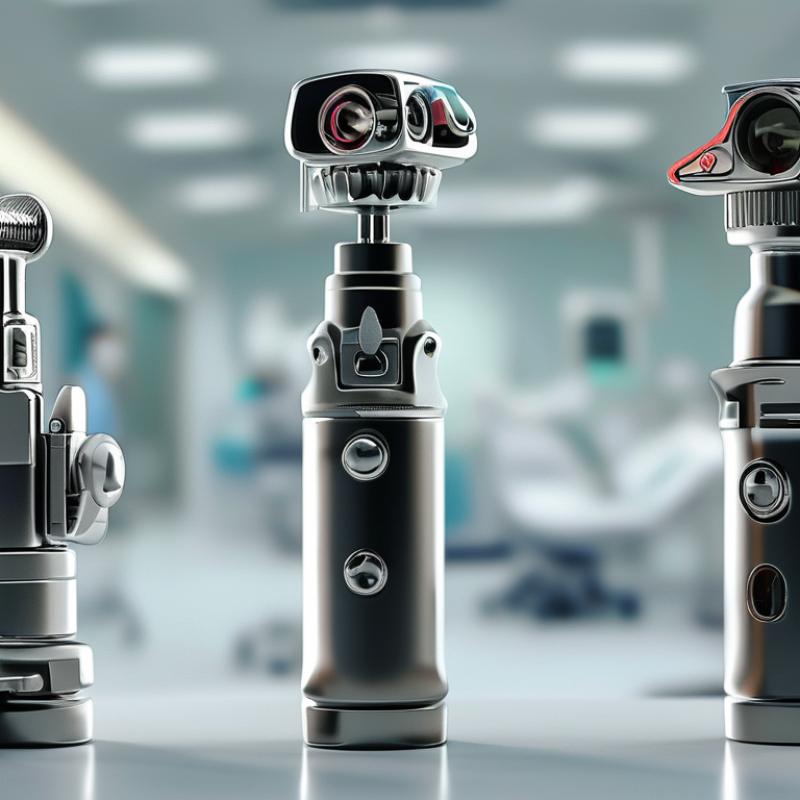
Overview of Video Laryngoscopes and Their Importance in Medicine
Video laryngoscopes play a crucial role in modern medicine. They are designed to enhance visualization of the vocal cords during intubation. This innovation is particularly beneficial in emergency situations where airway management is critical. A video laryngoscope provides a clear view on a display screen. This feature allows medical professionals to see the airway without direct line-of-sight.
The importance of these devices cannot be overstated. They reduce the likelihood of complications during intubation. However, they also come with a learning curve. Training is essential for effective use. Practitioners must become proficient in handling video laryngoscopes. Some may struggle with the transition from traditional laryngoscopes.
While video laryngoscopes are valuable, they are not without flaws. Issues with battery life and display functionality can arise. Some may find the bulkiness cumbersome in confined spaces. These challenges require ongoing evaluation and adaptation in clinical environments. Ultimately, the goal is to improve patient outcomes while ensuring safety and efficiency.

2026 Top Video Laryngoscope Types for Global Buyers
Key Features to Consider When Choosing Video Laryngoscopes
When selecting a video laryngoscope, several key features demand attention. The size and weight of the device play significant roles in ease of use. A compact, lightweight design can enhance maneuverability during critical procedures. Additionally, the screen quality is vital. High-definition resolution provides clearer images, aiding in accurate visualization of the airway.
Connectivity options also matter. Many modern video laryngoscopes come with wireless capabilities. This enables real-time data sharing with other devices or colleagues. Battery life is equally important. Long-lasting batteries ensure reliability in urgent situations, reducing the risk of interruption.
User feedback is invaluable when assessing various models. Some users may report challenges with specific controls or settings. Gathering insights can guide buyers toward more user-friendly options. Always consider the potential need for repairs or service. Choosing a product backed by comprehensive support can be a critical factor in decision-making.
Popular Types of Video Laryngoscopes Available in 2026
In 2026, video laryngoscopes continue to evolve. These devices are vital in emergency medicine and anesthesia. They offer improved visualization compared to traditional methods. A range of technologies is available to meet diverse clinical needs.
Many hospitals now favor portable, user-friendly designs. These models enhance ease of use, making them accessible to more healthcare professionals. Some innovations incorporate advanced imaging, providing clearer views of the airway. It's interesting to see how features like light intensity and camera resolution vary. Users often find some models difficult to manipulate. Feedback indicates a need for more intuitive controls in certain designs.
User experience remains critical. Many practitioners mention that product training is essential but sometimes inadequate. A well-trained team can harness the device's full potential. This highlights an area for improvement in clinical education. Future designs need to address not just technical features, but the overall usability for everyday practice.
Emerging Technologies Enhancing Video Laryngoscopy
Video laryngoscopy is on the rise, with emerging technologies profoundly enhancing its capabilities. New advancements are improving visualization and accuracy. This is crucial in emergency situations and for patients with difficult airways. Innovations in image processing and display technology offer clearer views of the vocal cords. This technology increases the chances of successful intubation on the first attempt.
As medical professionals rely on these tools, understanding the technology is vital. Training on the latest devices can make a significant difference. Being familiar with varied video laryngoscope types ensures adaptability. Adapting to unfamiliar equipment can be challenging but rewarding. Practicing with simulators can build confidence and skill.
Tips: Always check for compatibility with existing systems. Regularly review new features and updates. Stay in touch with advancements in technology, as they can affect performance. Engaging in peer discussions can also enhance understanding of these complex devices. Continuous education is key in staying effective in practice.
Global Market Trends and Demand for Video Laryngoscopes in 2026
The demand for video laryngoscopes is on the rise in 2026. Various factors contribute to this growth. Healthcare professionals seek better visualization during intubation. Enhanced patient safety is a primary concern in many hospitals. Video laryngoscopes provide a clear view of the airway. This clarity helps reduce complications during procedures.
Global market trends indicate a shift toward advanced technology. Many regions are investing in medical devices that improve outcomes. Video laryngoscopes are gaining popularity, especially in emergency rooms. The integration of artificial intelligence may further enhance their effectiveness. However, challenges exist in training staff to use these devices effectively. The learning curve can impact the adoption rate in some facilities.
Awareness of patient comfort and safety is crucial for the future. Despite technological advancements, some practitioners remain hesitant. They may question the reliability of newer models. Continuous education is essential to address these concerns. Engaging in workshops could improve confidence in using video laryngoscopes. Cultivating a culture of learning will be key to future success in this field.