
Blogs

Sharing knowledge is key to an innovative and healthy industry! This knowledge center is therefore a central place on our website to share information. Read all about our industry in the blogs below!

How to Tell if Chocolate is Expired?

Chocolate is a beloved treat around the world. But what happens when it ages? Knowing Chocolate expiration is crucial. According to industry reports, chocolate does not spoil like perishable foods. Instead, it may lose quality over time.

A study found that 70% of consumers are unaware of proper storage techniques. Many mistakenly believe that chocolate lasts indefinitely. In reality, exposure to heat, light, and moisture can shorten its lifespan. Signs of deterioration include a white film, off-smells, or hard texture.

Understanding these indicators is essential for every chocolate lover. Regular checks can prevent consuming subpar treats. Therefore, it's important to reflect on your chocolate storage habits. Keep your chocolate fresh and enjoyable by understanding its expiration.
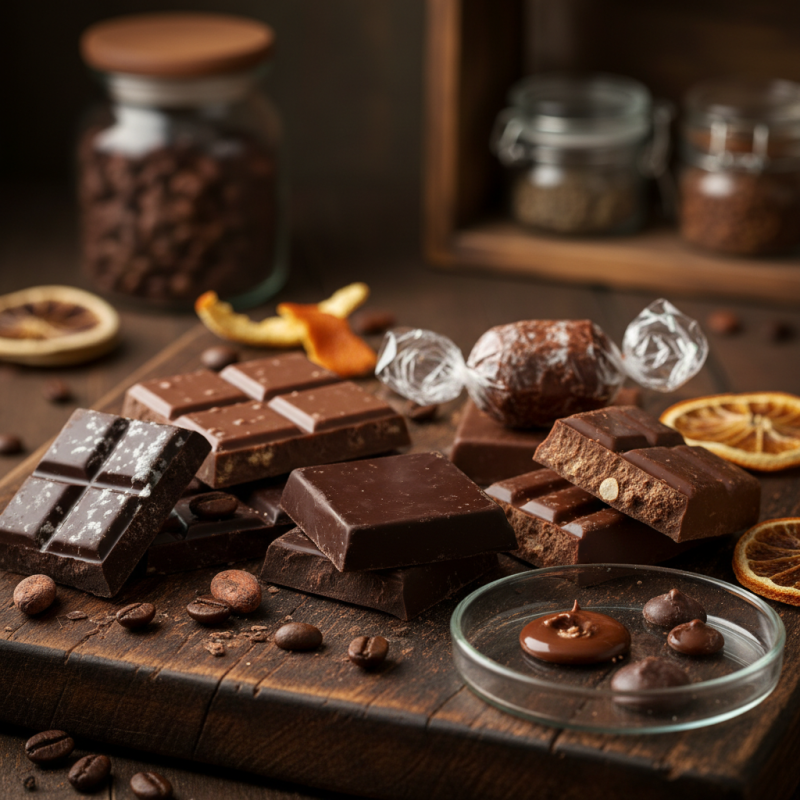
How to Tell if Chocolate is Expired?

Signs of Expiration in Chocolate: What to Look For

When assessing the freshness of chocolate, look for key indicators of expiration. One critical sign is the appearance of white streaks or spots, commonly known as "bloom." This occurs due to fat or sugar rising to the surface. While it's generally safe to consume, it can affect taste. According to industry reports, chocolate doesn’t spoil quickly, but its quality diminishes over time.

Another factor to consider is the aroma. Fresh chocolate emits a rich, inviting scent. If it smells off or stale, it may have passed its prime. Texture plays a role too; chocolate should snap when broken. A soft or crumbly consistency usually indicates degradation. Research shows that chocolate is best enjoyed within one to two years of its production date, depending on the type.

Lastly, pay attention to flavor. A sharp or bitter taste might signal that the chocolate has expired. Always trust your senses. If it seems wrong, it probably is. Chocolate has a long shelf life, yet monitoring these signs can ensure you enjoy it at its best.

Understanding Chocolate Shelf Life and Expiration Dates

When it comes to chocolate, understanding its shelf life is crucial. Although chocolate often has a long shelf life, it can still expire. Various factors influence its longevity, including type, storage conditions, and ingredients. Dark chocolate can last up to two years, while milk chocolate may only last one year. White chocolate typically has a shorter shelf life due to higher dairy content.

Look for the expiration date on the packaging. Chocolate might still be safe to eat past this date, but quality can diminish. Inspect for changes in texture or smell. If it appears grainy or has an off scent, it’s likely time to discard it. Keep in mind that storage impacts freshness. Store chocolate in a cool, dry place away from strong odors. This helps maintain flavor and texture.

Chocolate is delicate. An opened bar may last only a few months. Therefore, always remember to check your chocolate regularly. Don’t let a treat go to waste simply because it was forgotten in the pantry. Awareness of its shelf life and proper storage can enhance your enjoyment of this beloved confection.

Effects of Temperature and Storage Conditions on Chocolate Freshness

The freshness of chocolate largely depends on how it’s stored. High temperatures can lead to blooming, a white powdery appearance from fat or sugar rising to the surface. This doesn’t mean the chocolate is bad, but it may not taste as good.

Proper storage keeps chocolate at its best. Keep it in a cool, dry place. A pantry or cupboard away from direct sunlight works well. Avoid the fridge if possible. The fluctuating temperatures can cause condensation, leading to spoilage.

Tips: Check the expiration date before eating. If it looks or smells off, it's better to err on the side of caution. Store it in an airtight container to minimize exposure to air and moisture. Don’t let chocolate sit near strong odors. It can absorb those scents and lose its pleasant flavor.

How to Properly Store Chocolate to Extend Its Shelf Life

Proper storage of chocolate can significantly extend its shelf life. Chocolate is sensitive to temperature and humidity. Ideally, it should be kept at a consistent temperature between 65°F and 70°F (18°C and 21°C). Fluctuations can lead to changes in texture and flavor.

Humidity is another critical factor. Chocolate absorbs moisture easily, often leading to a dull appearance or a white film known as bloom. The ideal relative humidity for chocolate storage is below 50%. Seal chocolate in airtight containers to prevent moisture absorption. An industry report suggests that properly stored chocolate can last up to two years for dark varieties, six months for milk chocolate, and about one year for white chocolate.

Consider your storage location carefully. Avoid places near strong odors and direct sunlight. Light exposure can degrade quality and flavor. If you've ever found chocolate with uneven texture or unwanted aromas, it could be time to reconsider your storage habits. Proper care is essential to maintain the delightful experience chocolate offers.

Dealing with Different Types of Chocolate: Expiration Indicators

When examining chocolate for expiration, factors depend on the type. Dark chocolate can last longer than milk chocolate. Look for a dull appearance or white spots. These signs indicate it may have begun to oxidize. The taste might shift, becoming less rich or slightly sour. It’s not always harmful, but it’s best to discard it.

Milk chocolate is more sensitive. It has dairy additives that spoil more quickly. Check for a rancid odor or a grainy texture. If it smells off, it’s wise to throw it away. The expiration date is a guideline, but sensory checks are important too.

White chocolate can also show signs of aging. Its creamy texture can turn dry. Watch for discoloration and a change in smell. If it feels hard and waxy, consider tossing it. It’s a regret to waste cacao, but safety comes first. Always trust your senses when chocolate seems questionable.

Chocolate Expiration Indicators