- Home
- >
- Knowledge Center
- >
- Blogs
Blogs
Sharing knowledge is key to an innovative and healthy industry! This knowledge center is therefore a central place on our website to share information. Read all about our industry in the blogs below!
How to Choose Tanker Trailer Parts for Global Buyers?
Choosing Tanker Trailer Parts for global operations requires more than comparing prices on a supplier’s website. A valve may look identical in a photograph, yet its alloy, seal compound, pressure rating, or thread standard can differ significantly. These small differences affect loading time, leakage prevention, cleaning routines, and long-term maintenance. Trucking technology writer and equipment specialist Jim Park has often emphasized this practical principle: “The best equipment choice is the one that works reliably in the conditions you actually face.” That advice fits tanker trailers perfectly.
Global buyers should begin with the cargo, operating temperature, pressure range, and regional service conditions. Stainless steel fittings may suit corrosive liquids, while food-grade applications demand traceable materials and hygienic surfaces. Check flange dimensions, gasket compatibility, API or EN specifications, documentation, and replacement availability before ordering. Ask for material certificates and inspection records. A low-cost component can become expensive after customs delays, premature wear, or an unexpected redesign. It happens.
Experience also matters. Suppliers should explain installation limits, cleaning procedures, warranty coverage, and emergency support. Buyers should not accept vague claims such as “universal fit.” Confirm the trailer model and part number. Confirm them again. Even experienced purchasing teams sometimes overlook thread direction or seal temperature limits. That mistake can stop a trailer at a remote depot.
The strongest sourcing decision balances safety, compliance, durability, and total ownership cost. It also leaves room for honest doubt. No supplier, material, or design is perfect for every route. Careful questions usually reveal the difference between ordinary Tanker Trailer Parts and dependable components built for global service.
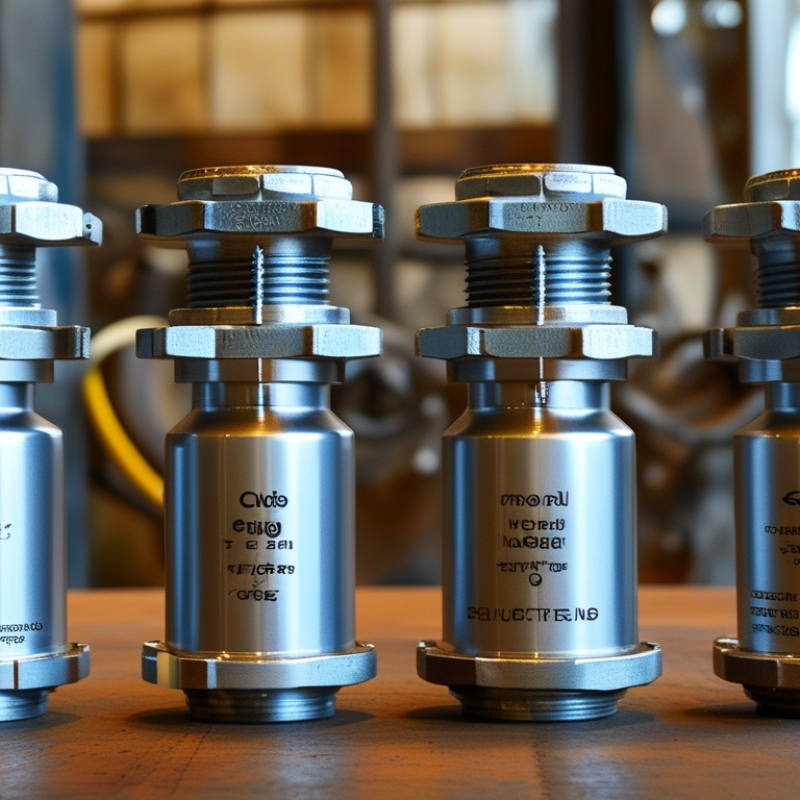
Define Your Tanker Trailer’s Operating Requirements
Before choosing tanker trailer parts, define how the trailer will operate. Identify the transported liquid, density, temperature range, and loading frequency. A food-grade liquid may require smooth, easy-to-clean surfaces. Corrosive materials may demand stronger alloys, protective coatings, or specialized seals. Do not guess here. A small mismatch can cause leakage, downtime, or costly replacement.
Record the road conditions and service environment. Will the trailer travel across humid ports, rough highways, cold regions, or steep mountain routes? Check axle loads, braking demands, suspension movement, and available maintenance facilities. Global buyers should also confirm dimensional standards, pressure ratings, and inspection requirements in the destination market. Local rules can affect valves, couplings, hoses, lighting, and emergency equipment.
Tips: Create a simple operating profile before requesting quotations. Include cargo properties, annual mileage, climate, cleaning method, and expected service life. Ask suppliers for material certificates, test records, and installation guidance. Compare technical fit, not only price. A cheaper seal may fail earlier. That lesson is easy to overlook.
Leave room for imperfect information. Many buyers know the cargo but not the actual temperature cycles or road vibration. Measure these conditions when possible. Speak with drivers and maintenance technicians; their observations often reveal weak brackets, difficult access, or repeated seal wear. Select parts that technicians can inspect and replace safely. Good decisions begin with real operating details, not assumptions.
Compare Essential Tanker Trailer Parts and Their Functions
Global buyers should compare tanker trailer parts by function, material, and operating conditions. The tank shell provides containment, but its alloy, wall thickness, weld quality, and insulation determine durability. Manlids need reliable gaskets and secure locking systems. A small seal failure can cause contamination or costly downtime.
Valves control loading, unloading, and emergency isolation. Select them according to fluid compatibility, pressure rating, temperature, and cleaning procedures. Pumps improve discharge speed, but they also require correct flow capacity and easy maintenance access. Axles, suspension, wheels, and braking assemblies affect stability under heavy loads. The European Commission’s Statistical Pocketbook 2024 reports that road transport carried about 78% of EU inland freight tonne-kilometres in 2022. That figure highlights the importance of dependable running gear.
Check the details.
The 2023 IRU Driver Shortage Report identified 3.6 million unfilled truck-driver positions globally. Fewer available drivers make simple inspections and durable components more valuable. Buyers should request traceable material certificates, pressure-test records, and replacement-part availability. Seals often receive too little attention. They should not. A cheaper seal may harden early in heat or swell after chemical exposure. Verify dimensions against drawings, not photographs. Confirm coupling height, brake compatibility, and axle load ratings before ordering. UNECE ADR requirements also make equipment selection dependent on the cargo category and tank design. In practice, specifications can still be incomplete. That is where a qualified engineer’s review prevents an expensive mismatch.
Evaluate Materials, Standards, Compatibility, and Durability
How to Choose Tanker Trailer Parts for Global Buyers?
Evaluate Materials, Standards, Compatibility, and Durability
Choosing tanker trailer parts requires more than comparing prices. Material selection affects service life, cleaning, weight, and corrosion resistance. Stainless steel suits many liquid-handling systems because it resists rust and supports hygienic cleaning. Aluminum can reduce weight, but it may need careful protection against chemical exposure. Carbon steel offers strength and value, yet it usually requires effective coatings and regular inspection.
Check the part’s relevant standards before ordering. Verify pressure ratings, dimensional requirements, weld quality, and documentation. Requirements may differ between regions and cargo applications. A valve that fits one trailer may fail on another because of flange size, thread type, gasket material, or operating pressure. Measure the connection directly when possible. Do not rely only on old drawings.
Durability depends on the entire working environment. Inspect seals for temperature resistance, fasteners for corrosion protection, and suspension components for repeated road loads. Ask for traceable material certificates and clear testing records. Practical buyers also review spare-part availability and installation support. A cheaper component can become expensive after premature failure and downtime. This is often underestimated. No checklist is perfect, so leave room for field feedback. After several trips, inspect wear patterns, leakage marks, and loose connections. These details can reveal compatibility problems before they become serious.
Check Supplier Qualifications, Certifications, and Global Support
Choosing tanker trailer parts for global operations starts with supplier verification, not price comparison. Ask for a valid company profile, production address, quality manual, and recent audit evidence. A reliable supplier should explain material grades, heat numbers, inspection steps, and pressure ratings clearly. Request certificates that match the actual part, not a generic company file.
Important.
In field inspections, I check welding records, dimensional reports, leak-test results, and calibration dates. These details reveal whether quality controls work beyond written promises. Certifications such as ISO 9001 can support confidence, but they should not replace product-specific evidence. Confirm that each component meets the technical and conformity requirements of its destination market. Requirements may differ between regions.
Global support also matters after shipment. Ask whether the supplier provides installation drawings, multilingual manuals, spare-part guidance, and traceable replacement records. Clarify response times, packaging standards, export documents, and support during a delayed delivery. A supplier may promise worldwide service yet lack local technical assistance.
I once focused too heavily on certificates and overlooked slow communication. That mistake delayed a repair. Now, I test support before ordering by sending practical questions and requesting a sample document set. Reliable cooperation should feel measurable, not vague.
Plan Costs, Delivery, Installation, and Replacement Needs
How to Choose Tanker Trailer Parts for Global Buyers?
Planning costs requires more than comparing unit prices. Check the part’s material, dimensions, service rating, and included accessories. A low-cost valve may need special fittings or repeated adjustments. That can increase labor costs quickly. Request drawings, inspection records, and material certificates before payment. Keep a small reserve for seals, gaskets, and fasteners. These parts often wear sooner than larger components. A perfect forecast is impossible. Review actual replacement data after each operating season.
Delivery planning should match the trailer’s working schedule. Confirm production time, packing dimensions, gross weight, and available shipping documents. Ask whether sensitive parts need moisture protection or reinforced crates. Compare air, sea, and road options by total landed cost, not freight alone. Installation also needs attention. Provide torque values, alignment instructions, wiring details, and required tools. Qualified technicians should inspect pressure-related components before service. I would not accept unclear instructions, even when the part looks simple.
Tips: Create a replacement list by operating hours and failure history. Mark each part with its identification code, size, and installation position. Store seals away from heat and sunlight. Test moving parts before fitting them to the trailer. One overlooked measurement can delay delivery. Some teams overbuy emergency stock, then discover outdated seals later. Review inventory every quarter, and adjust quantities based on real usage. Keep installation photos for future maintenance records.
Related Posts
-
2025 Market Insights: Essential Tips for Sourcing the Best Tanker Trailer Parts Globally
-
7 Ultimate Tips for Sourcing the Best Tanker Parts for Your Business
-
Future Trends in Trailer Tank Markets Through 2025 Insights and Predictions
-
How to Choose the Best Iso Tank Fittings for Your Industrial Needs
-
What is Iso Tainer and How Can It Benefit Your Business?
-
Embracing 2025 Technology Trends in Best Tanker Trailer Procurement Strategies